The second wave: a scam that monetises hope
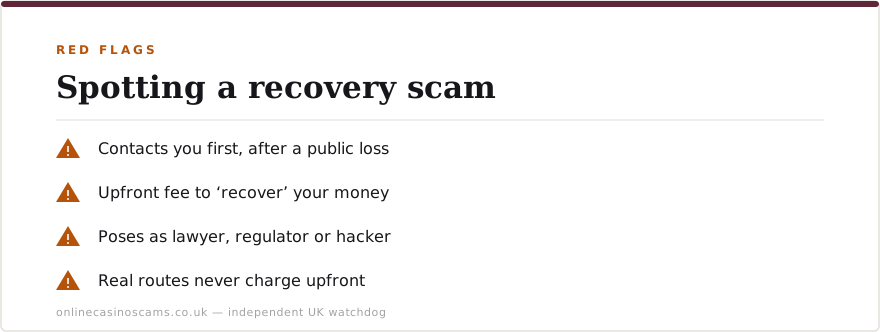
Recovery scammers don’t need to advertise widely, because their targets identify themselves. Every complaint post, every one-star review, every forum thread where someone writes “I deposited at this casino and can’t withdraw” is a beacon. The scammer reads it, sees a person who has lost money and is desperate to get it back, and makes contact with precisely the offer that desperation is primed to accept.
That is what makes the model so effective and so cruel: it monetises hope. The first scam took your money; the second takes the hope of recovering it, and charges for the privilege. People who would never fall for a casino bonus trap walk straight into a recovery scam, because by the time it reaches them they are no longer evaluating an offer coldly — they are reaching for a lifeline. The emotional state the first loss created is the vulnerability the second loss exploits. Recognising that this is a known, repeatable pattern — not a stroke of luck that someone “found” you — is the first line of defence.